
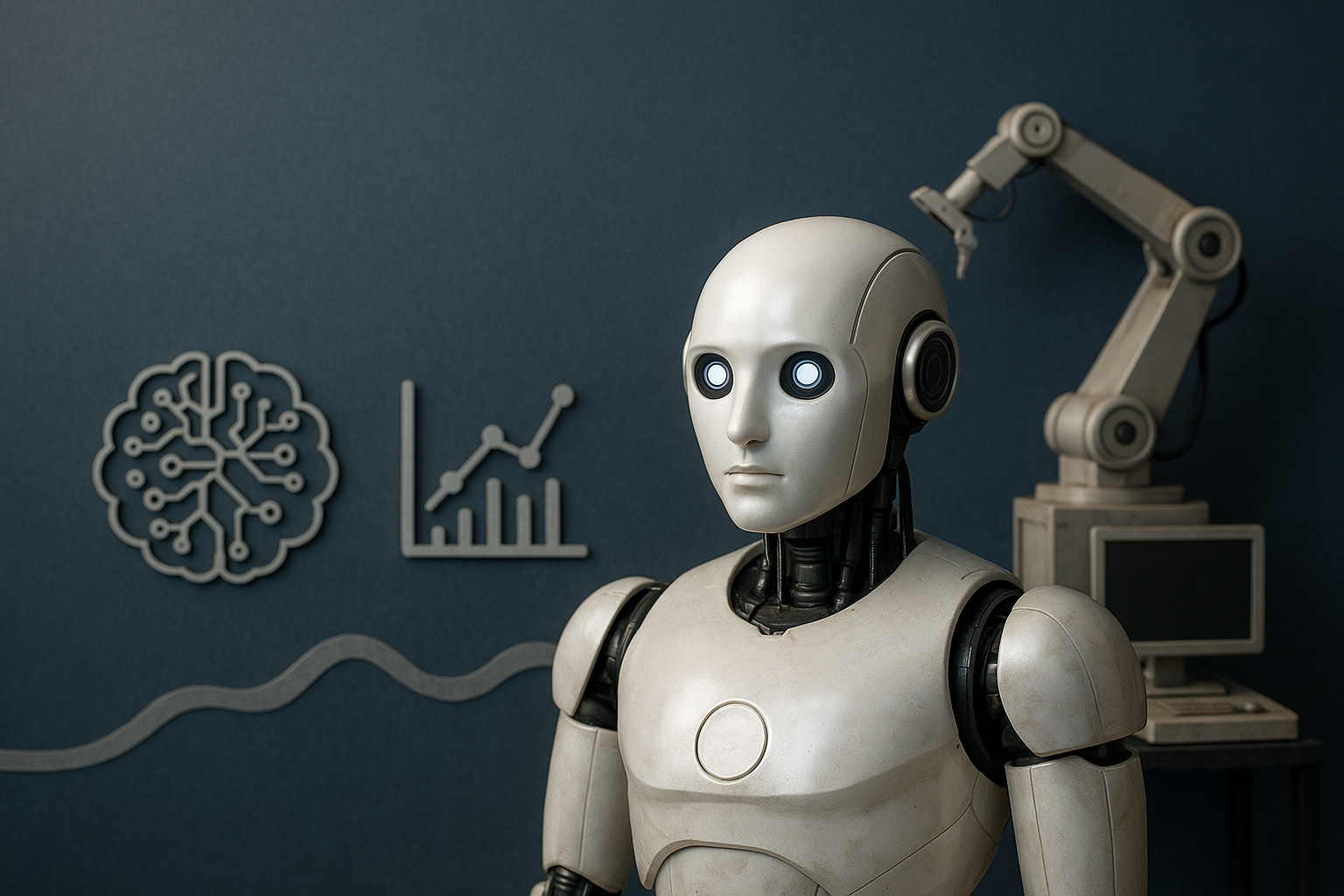
Artificial intelligence and robotics are two rapidly evolving fields that are increasingly intersecting in powerful ways. As machine learning algorithms grow more capable and automation technologies become more sophisticated, their integration is transforming industries and reshaping how we think about labor, productivity, and innovation. Understanding how these two domains work together is essential for grasping the future of technology and its impact on society.
What AI and Robotics Each Bring to the Table
Artificial intelligence, or AI, refers to the capability of machines to mimic human intelligence. This includes tasks like learning from experience, understanding language, recognizing patterns, and making decisions. Within AI, machine learning plays a central role. Machine learning algorithms are designed to identify patterns in data and improve their performance over time without being explicitly programmed for every single task.
On the other hand, robotics is the engineering discipline focused on building and programming machines that can perform physical tasks in the real world. Robots can range from simple mechanical arms used in assembly lines to advanced autonomous systems like drones or humanoid robots. While robotics has traditionally relied on pre-programmed instructions, integrating AI allows robots to become more adaptive, autonomous, and intelligent.
The Convergence: How Machine Learning Enhances Robotics
The intersection of AI and robotics becomes most apparent when machine learning is embedded into robotic systems. This combination enables robots to perceive their environment, make real-time decisions, and adjust their actions based on feedback. Instead of simply repeating pre-defined tasks, AI-enabled robots can learn from data, respond to changes, and even collaborate with humans more naturally.
For instance, a warehouse robot equipped with computer vision and a deep learning algorithm can identify different objects, plan efficient routes, and adapt to new layouts without needing to be reprogrammed every time something changes. In industrial settings, this leads to smarter automation systems that can handle variability in tasks, detect faults early, and continuously optimize performance.
Machine learning also plays a critical role in robotic perception. Using techniques such as
convolutional neural networks, robots can analyze visual information and understand scenes, allowing them to navigate complex environments or interact with objects in a human-like way. This is particularly valuable in applications such as autonomous vehicles, delivery robots, or robotic assistants in healthcare, where understanding the environment is crucial for safety and effectiveness.
Applications Across Industries
The synergy of AI and robotics is already being applied across a wide range of industries. In manufacturing, intelligent robots are used for quality control, assembly, and predictive maintenance. These systems can learn from historical data to anticipate equipment failures, optimize workflows, and reduce downtime.
In agriculture, AI-powered robots are revolutionizing farming practices. Autonomous machines can monitor crop health, precisely apply fertilizers or pesticides, and even harvest fruits based on visual cues. These innovations lead to more efficient use of resources and higher crop yields with less environmental impact.
Healthcare is another area where the integration of AI and robotics is making significant strides. Robotic surgical systems, for example, use AI to assist in precision tasks, while rehabilitation robots adapt therapy based on patient performance. AI algorithms can analyze patient data and provide real-time feedback, making treatment more personalized and effective.
In logistics and supply chain management, robots are used for sorting, packaging, and transporting goods, guided by machine learning algorithms that optimize routing, anticipate demand, and dynamically manage inventory.
Even in homes and daily life, this convergence is becoming more visible. Robotic vacuum cleaners, lawn mowers, and personal assistants increasingly rely on AI to adapt to users’ habits, recognize obstacles, and operate more intelligently over time.
Challenges at the Crossroads of AI and Robotics
Despite the immense potential of combining AI and robotics, there are several challenges that researchers and engineers continue to face. One of the main issues is data quality. Machine learning requires large amounts of high-quality data to effectively train models. In robotics, collecting this data can be time-consuming, expensive, and sometimes risky.
Another challenge is real-time decision-making. Unlike data science applications where predictions can take seconds or even minutes, robots often need to act in milliseconds. Ensuring that machine learning models can operate fast enough and remain stable in unpredictable environments is a critical technical hurdle.
Safety and reliability are also major concerns. A robotic system that makes decisions based on flawed data or a poorly trained model can pose risks, especially in areas like healthcare or transportation. Developing standards, testing frameworks, and developing fail-safe mechanisms are essential to ensuring that intelligent robots behave as expected.
There is also an ongoing debate about the ethical and societal implications of these technologies. As robots become more autonomous and capable, questions arise about job displacement, accountability, and human-machine interaction. Addressing these concerns will require thoughtful policies, education, and collaboration across sectors.
The Future of AI-Driven Robotics
Looking ahead, the integration of AI and robotics is expected to accelerate. Advances in deep learning, reinforcement learning, and neuromorphic computing are likely to make robotic systems even more adaptive and intelligent. Collaborative robots, or cobots, will become more prevalent in workplaces, working safely alongside humans and taking on complex tasks that were previously out of reach for machines.
As the fields of AI and robotics continue to converge, their combined impact will shape the next era of technological innovation. Understanding this intersection will be crucial not only for engineers and developers, but for anyone navigating a world increasingly shaped by intelligent machines.

 Bill Malloy